
Profile and coating selection
The roof profile must suit the pitch and building design. Coating choice is based on exposure, intended use, colour preference and the steel manufacturer's requirements.
Serving Hamilton, Waikato & surrounding areas
Long-run steel roofs installed with careful detailing, practical material advice and a clear scope for homes and commercial buildings.
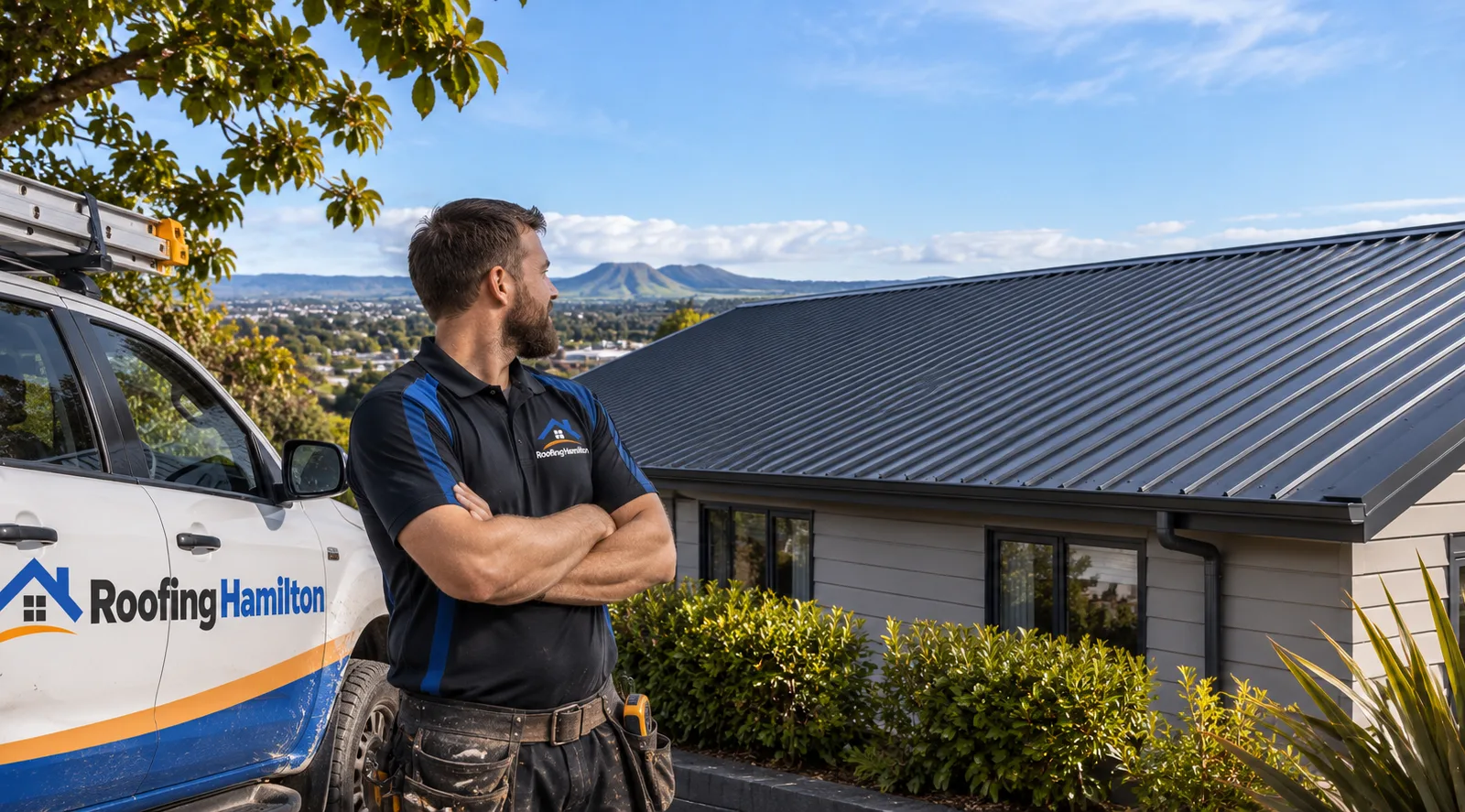
Steel roofing Hamilton properties need must cope with regular rain, strong sun, wind and airborne moisture throughout the year. Long-run profiled steel is a practical choice because it is lightweight, weather-resistant and available in profiles suited to houses, garages, workshops and commercial buildings.
Roofing Hamilton plans each job around the building rather than treating the sheets as the whole system. Roof pitch, sheet length, penetrations, drainage, ventilation and the condition of the supporting structure all affect the specification. Flashings at ridges, barges, valleys, aprons and wall junctions must direct water away without relying on sealant as the primary defence.
Material selection also matters. Pre-painted steel provides a factory-applied protective coating and a consistent colour finish. Zinc or aluminium-zinc coated options may suit some applications, while exposure conditions can require a more corrosion-resistant product. Manufacturer guidance should determine compatibility between roofing, fasteners, flashings and rainwater components. Mixing incompatible metals can cause accelerated corrosion.
Metal roofing can be specified for new builds, additions and replacement roofs. Common profiles include corrugated steel and trapezoidal long-run sheets. The right option depends on roof pitch, architectural style, spanning requirements and how water moves across the roof.
Older homes in established areas such as Frankton and Claudelands may have complex roof forms, chimneys or additions built at different times. Those details call for measured flashing work rather than standard pieces forced to fit. In newer Rototuna developments, clean roof planes can suit long sheet runs, but penetrations and junctions still need precise placement. Industrial and commercial buildings around Te Rapa often have broad roof areas where sheet handling, access and staged weather protection affect the work plan.
Before recommending a system, our team assesses the roof geometry and visible substrate condition. For replacement work, the existing covering is removed in controlled stages so the structure can be checked. Any timber or substrate repairs identified after removal are discussed before new underlay and steel are installed.
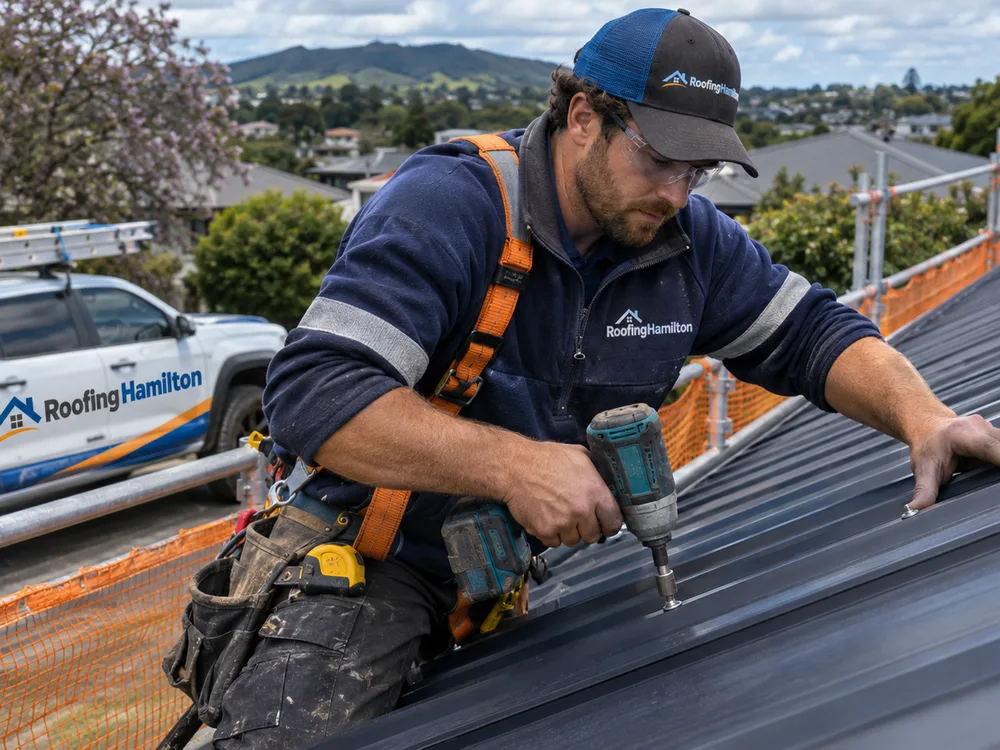
The roof profile must suit the pitch and building design. Coating choice is based on exposure, intended use, colour preference and the steel manufacturer's requirements.
Roofing underlay provides a secondary drainage plane and helps manage condensation. Ventilation requirements are considered alongside insulation and the way the roof space is used.
Ridges, valleys, barges, aprons and junctions are measured for the building. Good flashing geometry moves water onto the roof or into the drainage system.
Fastener type, coating, washer and placement must match the roofing system. Screws are installed to the specified pattern without crushing washers or distorting sheets.
Vents, flues, aerial mounts and other penetrations need correctly sized boots or fabricated flashings. Their position on the roof can affect the safest detail.
Sheet discharge, valleys, gutters and downpipes must work together. Waikato rainfall makes clear water paths and maintained outlets especially important.
We discuss the building, inspect accessible roof areas and record measurements, pitch, penetrations, junctions and access constraints. Existing leaks or signs of corrosion are traced to likely entry points.
The proposed profile, coating, flashings, underlay and work sequence are set out clearly. The scope identifies assumptions and any items that can only be confirmed after the old covering is lifted.
Sheets and flashings are scheduled to suit measured dimensions. Site access, material storage, edge protection and weather planning are arranged before installation begins.
Replacement roofs are opened in manageable stages. Underlay, sheets, flashings and penetrations are installed in sequence, with fasteners placed to the product specification.
The completed work is checked for alignment, fastening, flashing laps, penetrations and clear drainage paths. The work area is cleaned and relevant care information is provided.
A steel roof can fail early when small details are treated as cosmetic. Swarf left after cutting can rust and stain a new finish. Poorly driven screws can damage sealing washers. Short flashing laps, blocked valleys and badly positioned penetrations can let wind-driven rain reach the underlay or framing.
Sheets should be cut with tools approved by the manufacturer, and metal filings must be removed promptly. Foot traffic needs care because dents and coating damage can create weak points. Fasteners should remain accessible for inspection, while sealants must be compatible with the roofing finish.
Low-pitch roofs require particular attention because water drains more slowly. Every profile has minimum pitch requirements set by its manufacturer, so appearance alone cannot determine the product. Roof geometry, design wind pressures and applicable New Zealand Building Code requirements also inform the final specification. Where building consent may be required, Hamilton City Council is the relevant local authority for properties within the city boundary.
For broader information about our team and related roof work, Roofing Hamilton provides a practical starting point.
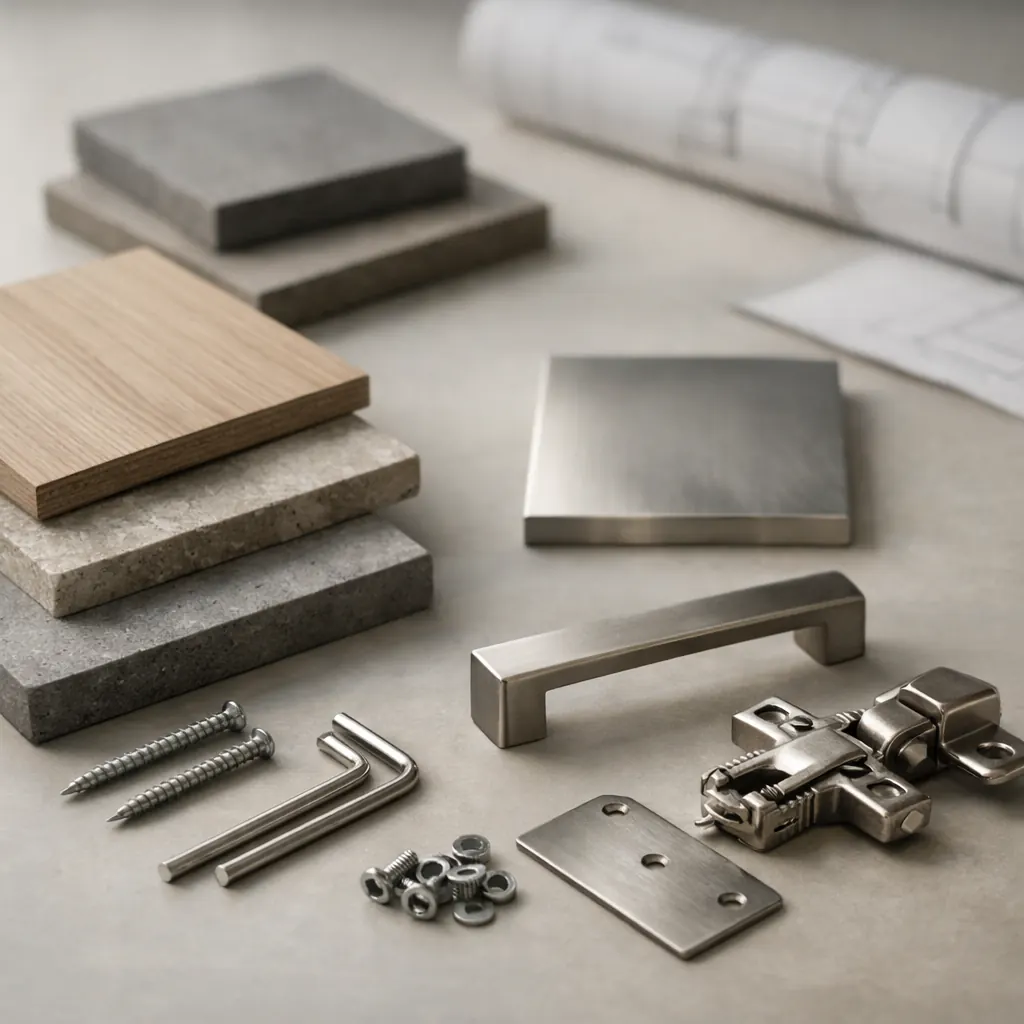
A straightforward long-run steel reroof in Hamilton typically costs about NZ$150 to NZ$300 per square metre, while complex roofs or premium coating systems may cost more. New-build installation can differ because removal and disposal are not required.
Final pricing depends on roof area, pitch, profile, coating grade, access, edge protection, penetrations, flashing complexity and hidden substrate repairs. Scaffolding, old material disposal and rainwater work can also affect the total. The exact cost is confirmed after the roof has been measured and the required system assessed.
Get a measured scope that sets out the proposed steel profile, flashings, preparation and installation work before the job is scheduled.
Call for a Free EstimateClear answers about steel roofing suitability, installation, profiles, consent and maintenance.
Yes, correctly specified steel roofing is well suited to Hamilton's regular rainfall and changing seasonal conditions. Performance depends on the selected coating, roof pitch, underlay, drainage and flashing details. The manufacturer's exposure guidance should be followed, particularly where a property has unusual environmental or industrial exposure.
Many straightforward residential installations take several working days, but the schedule depends on roof size, complexity, access and weather. Large commercial roofs, steep pitches and homes with multiple valleys or penetrations take longer. The work sequence should keep the building weather-protected while old roofing is removed.
It may be technically possible in limited situations, but removal is often the better approach because it allows the supporting structure and underlay to be inspected. Overlaying can conceal moisture damage, affect load and complicate junctions. The proposed method must meet product requirements and applicable building rules.
Choose a profile that meets the roof's pitch, spanning and drainage requirements before comparing appearance. Corrugated steel suits many residential designs, while trapezoidal profiles are common on homes and commercial buildings. Sheet dimensions, wind design and manufacturer specifications determine whether a profile is appropriate.
Rain noise can be controlled through the complete ceiling and roof build-up. Roofing underlay, insulation, ceiling linings and the roof-space design all influence sound transmission. A bare steel roof over an open shed sounds different from an insulated Hamilton home with a lined ceiling.
Consent requirements depend on the scope and whether the replacement changes structural, drainage or fire-related elements. A like-for-like roof replacement may qualify for an exemption in some circumstances, but exemptions still need to comply with the New Zealand Building Code. Hamilton City Council can confirm requirements for a property within its jurisdiction.
Keep gutters, valleys and outlets clear, remove debris, and arrange periodic checks of flashings, fasteners and penetrations. Areas that rain does not naturally wash may need cleaning in line with the steel manufacturer's instructions. Avoid harsh chemicals, incompatible metals and unapproved coating repairs.
Tell Roofing Hamilton about the building, current roof condition and preferred finish. We will discuss suitable profiles, practical installation requirements and the next step toward a written scope.