
Roof Repairs
Repairs begin with fault finding. Common repair points include damaged sheets or tiles, loose fixings, failed sealants, deteriorated ridge details and defective apron, barge or valley flashings.
Serving Hamilton, Waikato & surrounding areas
Practical advice, clear written scopes and dependable roof work for homes and commercial properties across Hamilton and the wider Waikato.
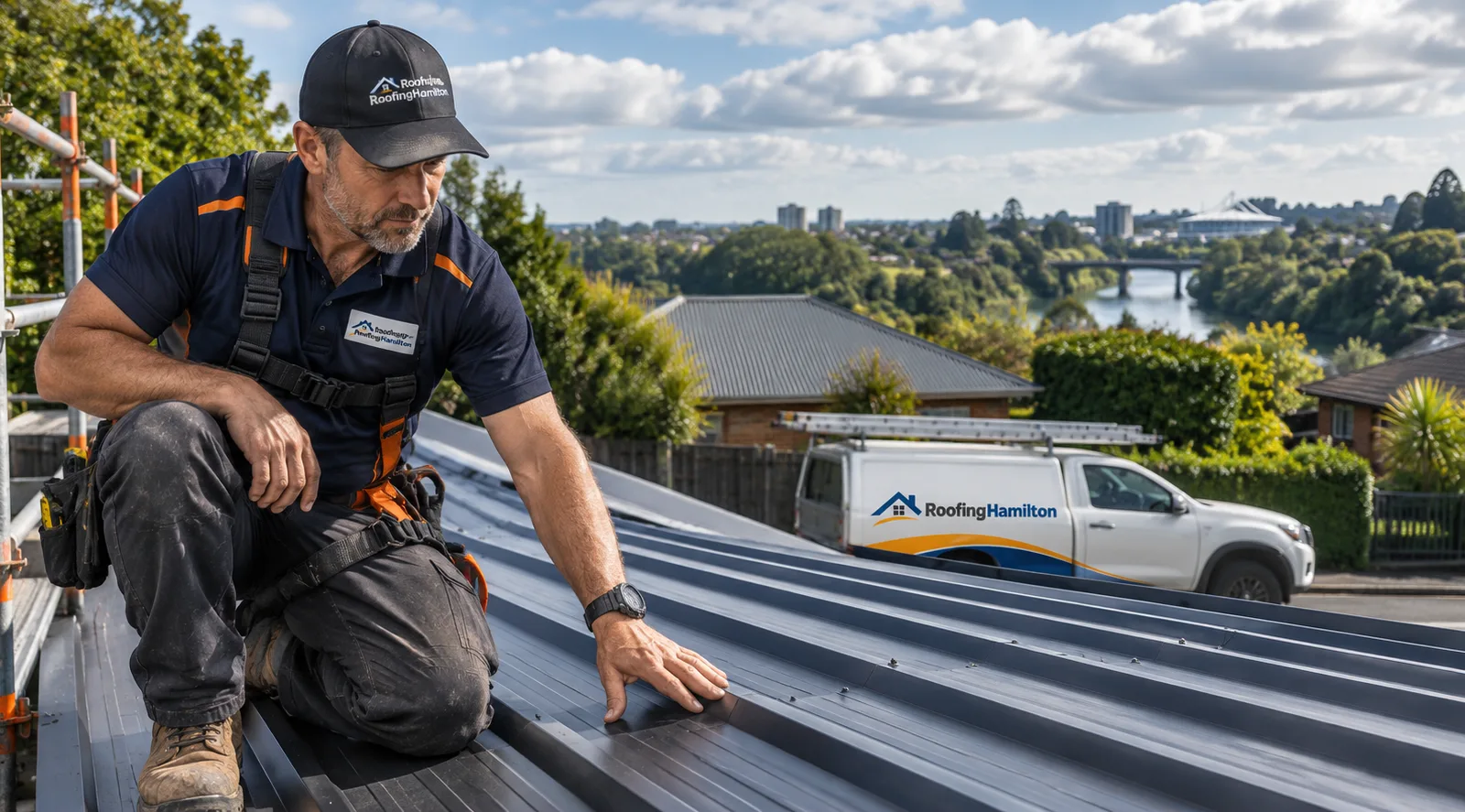
Choosing a roofing company in Hamilton starts with an accurate assessment of the roof you already have. Roofing Hamilton inspects the cladding, flashings, fixings, penetrations, gutters and visible roof structure before recommending work. That helps separate an isolated repair from deterioration that calls for reroofing.
Our work covers roof inspections, leak investigation, maintenance, repairs, replacement roofs and roofing for new builds. We work with homeowners, landlords, property managers, builders and commercial clients. The aim is straightforward: identify the cause, explain the suitable options and provide a written scope that can be compared properly.
Hamilton's regular rain makes water-shedding details especially important. A loose flashing, failed seal around a penetration or corroded fixing can admit water well away from the mark that appears indoors. Wind can also drive rain beneath poorly fitted laps and flashings. A useful inspection follows the likely path of water rather than treating the ceiling stain as the source.
Roofing work may also need to account for Hamilton City Council building requirements and the New Zealand Building Code. Whether consent is required depends on the nature and extent of the proposed work. We can discuss this during scope planning rather than making assumptions before the roof has been assessed.
Repairs begin with fault finding. Common repair points include damaged sheets or tiles, loose fixings, failed sealants, deteriorated ridge details and defective apron, barge or valley flashings.
When repeated repairs are no longer sensible, reroofing provides a planned replacement. The scope can cover removal, substrate checks, underlay, new cladding, flashings and compatible fixings.
New-build roofing is coordinated with the structure, roof pitch, penetrations, fascia and rainwater system. Product selection must suit the design, exposure and manufacturer's installation requirements.
Leak tracing considers roof laps, valleys, penetrations, junctions and drainage paths. Internal moisture marks help guide the investigation, but they do not always identify the entry point.
Planned checks can identify blocked drainage, lifted components, damaged coatings and early corrosion before water reaches insulation, linings or timber.
Commercial work requires careful planning around access, safety, occupied areas and business operations. Large roof areas also make drainage falls, penetrations and sheet junctions key inspection points.
A repair is usually appropriate when the fault is localised and the surrounding roof remains serviceable. Examples include one damaged flashing, a small area of storm damage or a limited number of failed fixings. The repair still needs compatible materials and enough sound substrate to hold the new work.
Replacement becomes more reasonable when corrosion, cracking or coating failure is widespread, leaks recur in different areas, or previous patching has created a collection of weak junctions. The condition of the underlay and roof deck matters too. Covering poor substrate with new cladding can hide rather than solve the problem.
Hamilton has a mix of established and newer suburbs, so roof age and construction details vary considerably. Older homes in Frankton and Hamilton East may have reroofed areas, altered penetrations or legacy flashings that need close inspection. Newer development around Rototuna and Flagstaff can involve complex rooflines with several junctions and valleys. In industrial Te Rapa, broad commercial roofs place more emphasis on drainage, access planning and work around occupied premises.
A sound recommendation should state what can be retained, what must be replaced and why. Roofing Hamilton provides broader Hamilton roofing services when a property needs coordinated inspection, repair or replacement work.
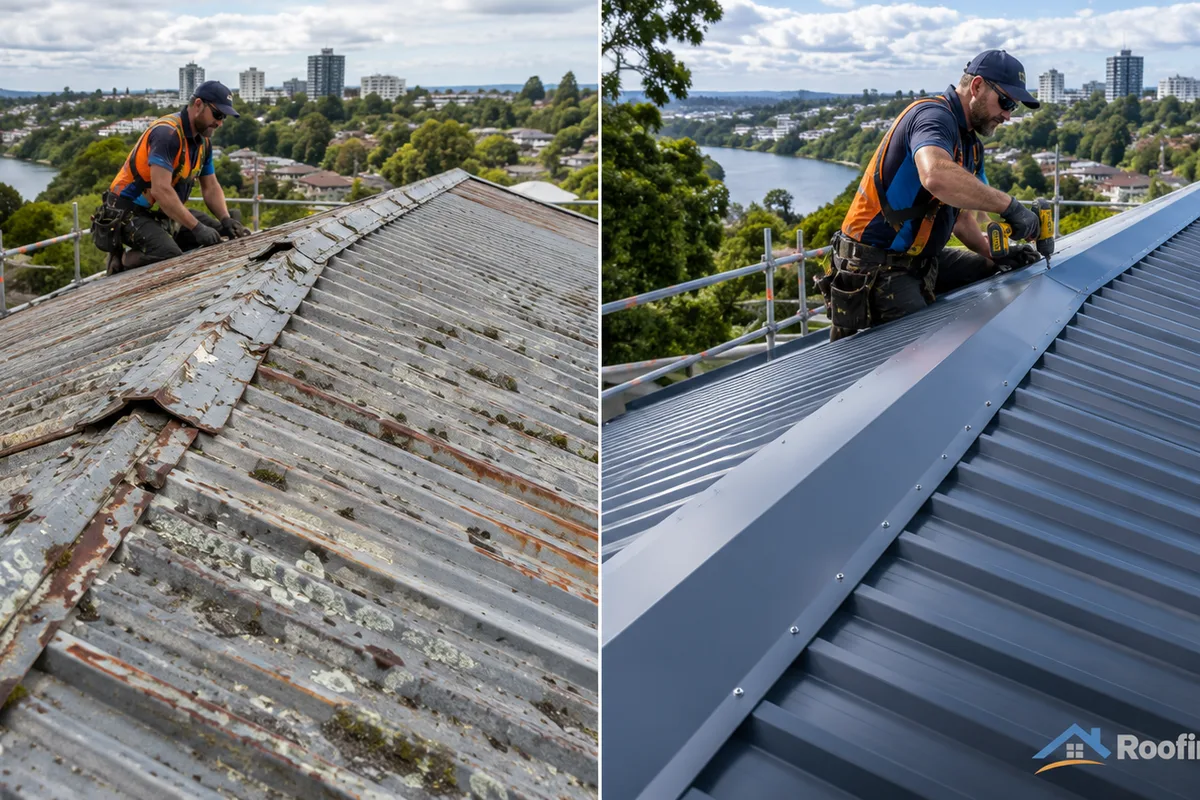
We start with the property type, known roof material, visible damage and any signs of leaking. Timing, access and occupied areas are also discussed before an inspection is arranged.
The assessment considers cladding condition, fixings, ridges, valleys, penetrations, flashings and rainwater paths where access permits. Interior evidence may be checked when a leak is involved.
The written scope identifies the proposed work and materials. If repair and replacement are both viable, the practical limits of each option are explained so the decision is based on roof condition.
Roof work requires suitable height-safety controls and weather planning. The work area, material handling and protection of occupants or customers are considered before work begins.
Installation follows the agreed scope and applicable product requirements. Finished junctions, flashings, penetrations and drainage paths are checked, and the work area is cleared.
A roof problem is easier to plan when its cause and extent are known. Arrange an assessment to get a written scope based on the condition of your property.
Call for a Free EstimateLong-run profiled metal roofing is common across Waikato residential and commercial properties. A complete installation depends on more than the visible sheets. Underlay, purlins or roof deck, fastener type, sheet laps, ridge capping and purpose-made flashings must work together.
Concrete or clay tile roofs require a different assessment. Tiles may crack, slip or lose secure fixing, while ridge bedding, valleys and flashings can deteriorate independently. Replacing a tile does not resolve a leak if water is entering at an adjacent junction.
Roof pitch influences both drainage and material suitability. Low-pitch roofs require products and lap details approved for that application. Penetrations for vents, flues and other services need correctly formed flashings that suit the roof profile. Mixing incompatible metals can increase corrosion risk, particularly where runoff from one metal reaches another.
Rainwater disposal also matters. Gutters and outlets need to receive water without forcing it back beneath the roof edge. Leaves and debris can restrict flow, while poor falls can leave standing water. During an assessment, these connected details should be considered alongside the cladding.
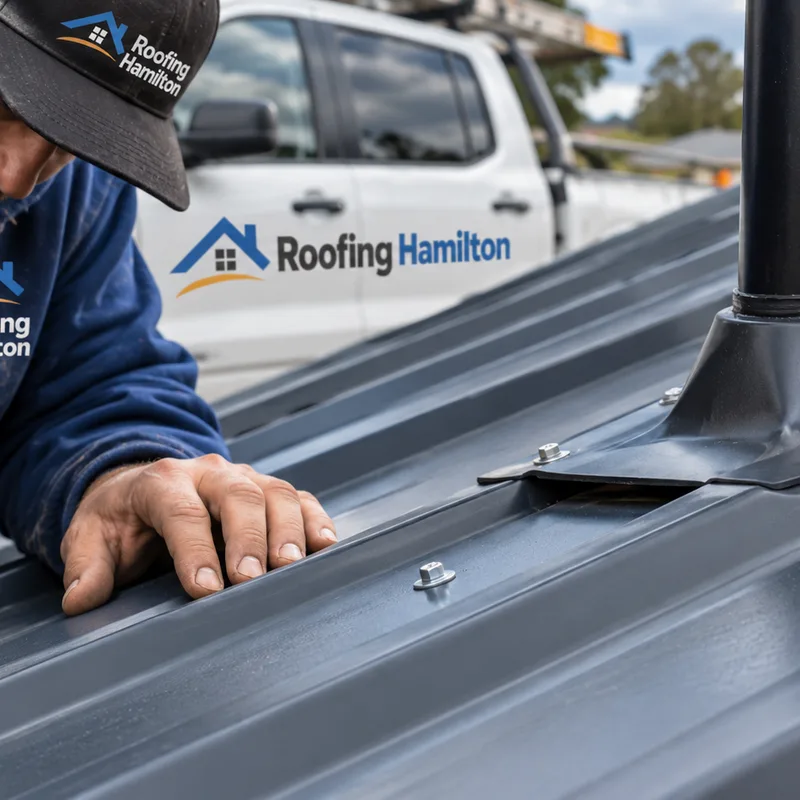
Ask for a scope that describes the actual work rather than relying on a one-line price. For reroofing, it should clarify removal or overlay, underlay, cladding profile, coating system, flashings, fixings, disposal and how unexpected substrate damage will be handled. For repairs, it should identify the suspected defect and the limits of the proposed repair.
Confirm who will complete the work and how height safety, weather exposure and property protection will be managed. Ask whether the quoted roofing product is suitable for the roof pitch and local exposure, and request the relevant manufacturer information. Product warranties and workmanship obligations are different, so both should be understood before accepting a quote.
Price matters, but quotes are only comparable when they cover the same scope. A lower figure may exclude scaffold or edge protection, replacement flashings, disposal, substrate repairs or work around penetrations. Written exclusions help prevent confusion once the old roofing is removed.
Communication is another useful test. A reputable roofer should be willing to explain why a repair is suitable, why replacement is recommended, or why more investigation is needed. Be cautious of an immediate whole-roof diagnosis made without a proper inspection.
Clear answers about roof costs, repairs, replacement, wet weather and written quotes.
The cost depends on roof area, pitch, material, access, design complexity and the condition beneath the existing cladding. A small localised repair may require only materials and a short site visit, while reroofing includes removal, safety systems, underlay, cladding, fixings, flashings and disposal. Multi-level access, many valleys or penetrations, and damaged substrate can increase the price. A roof inspection is needed for a reliable written quote.
A straightforward residential roof replacement may take several working days, but the confirmed programme depends on size, pitch, access, roofline complexity and weather. Waikato rain can interrupt work because exposed areas must be kept watertight. Commercial roofs and homes with several junctions usually require more staging. The expected sequence should be set out before work starts.
An active leak can often be repaired once the entry point and affected materials are identified. Water may travel along underlay, framing or a roof sheet before appearing indoors, so the stain is not always directly beneath the defect. Safe access and weather conditions affect when a lasting exterior repair can be completed. Temporary protection may be considered when immediate permanent work is unsafe.
A repair is generally enough when damage is limited and the surrounding roof still has useful service life. Replacement is more likely when deterioration is widespread, leaks recur, fixings or flashings are failing across several areas, or the substrate is unsound. The recommendation should come from an inspection of the full roof system rather than the visible leak alone.
Roofing work is scheduled around conditions that allow safe access and reliable weatherproofing. Rain, strong wind and wet surfaces can make roof work unsafe, while opening too much of a roof creates a water-entry risk. Work may be staged in manageable areas, with temporary weather protection used where appropriate. Forecast changes can still require the programme to move.
Consent requirements depend on the scope and whether the work meets the conditions for an exemption under New Zealand building law. Like-for-like maintenance may be treated differently from structural alteration, a major change in roofing material or work that affects building performance. Hamilton City Council is the relevant authority for properties within the city boundary. The proposed scope should be checked before work begins.
A roofing quote should identify materials, removal work, underlay, flashings, fixings, access or safety allowances, waste disposal and stated exclusions. It should also explain how hidden damage found after removal will be assessed and approved. For commercial premises in areas such as Te Rapa, staging and protection of occupied work areas may need to be included as well.
Tell Roofing Hamilton about the property, the roof condition and any signs of leaking. We will help establish the right next step and prepare a clear scope for the work required.